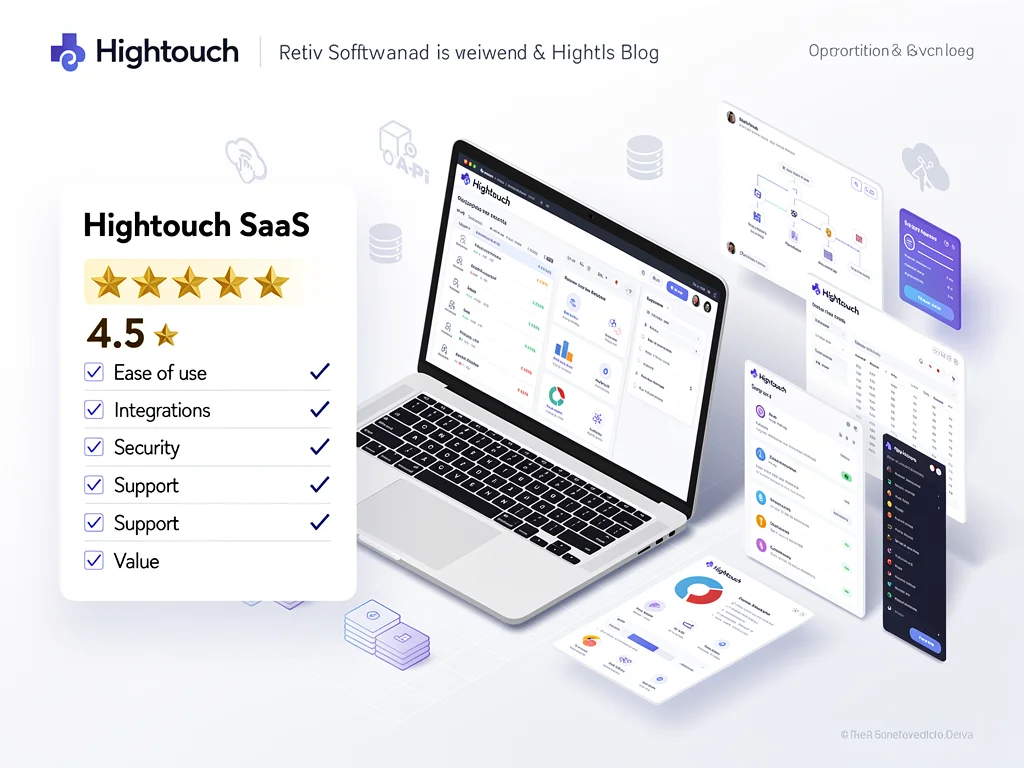
Hightouch review (2026): Features, Pros & Cons Analyzed
Executive Summary: Hightouch review
In this comprehensive Hightouch review, we analyze a leading reverse ETL platform that syncs warehouse data to business tools. After testing its capabilities, we found it excels at data activation for mid-to-large enterprises. However, smaller teams may find pricing prohibitive.
Therefore, our recommendation is Buy for data-mature organizations with existing warehouses. Moreover, teams seeking no-code data syncing will benefit significantly. Pass if you’re a startup without established data infrastructure.
Core Features
Data Synchronization
Hightouch handles large datasets quickly through its warehouse-native architecture. Consequently, it processes millions of rows without performance degradation. The platform supports 200+ destination connectors including Salesforce, HubSpot, and Google Ads.
Furthermore, real-time syncing ensures data freshness across tools. The visual mapper simplifies field matching without SQL knowledge required.
Audience Builder
The audience segmentation interface provides SQL-based and no-code options. Therefore, both technical and non-technical users can create segments. Dynamic audiences update automatically based on warehouse changes.
Moreover, the platform supports complex logic with AND/OR conditions. Split testing capabilities enable A/B testing across marketing channels.
Data Governance
Enterprise-grade security includes SOC 2 Type II compliance and GDPR readiness. Additionally, role-based access controls protect sensitive customer data. The audit log tracks all sync activities comprehensively.
Integration Capabilities
Native connections work with Snowflake, BigQuery, Redshift, and Databricks. However, setup requires existing warehouse infrastructure. The API enables custom integrations for unique use cases.
Pros & Cons found in this Hightouch review
- Pro: Warehouse-native architecture eliminates data duplication and storage costs
- Pro: Extensive connector library covers most business applications effectively
- Pro: No-code interface empowers marketers without engineering dependencies
- Pro: Real-time syncing capabilities ensure data accuracy across platforms
- Pro: Robust error handling with detailed logs and alerts
- Con: Pricing remains opaque with no public tier information
- Con: Requires existing data warehouse infrastructure to function
- Con: Learning curve exists for complex transformation logic
- Con: Limited support for smaller databases like MySQL or PostgreSQL
- Con: Documentation lacks depth for advanced use cases
Pricing
Here is the breakdown of Hightouch pricing plans for 2026:
| Plan | Price (Monthly) | Key Features & Limits |
|---|---|---|
| Free Plan | $0 | 1 destination, 1 source, limited to 10,000 rows per sync |
| Starter/Basic | Custom Quote | Multiple destinations, increased row limits, email support |
| Pro/Business | Custom Quote | Unlimited destinations, advanced features, priority support, audit logs |
| Enterprise | Custom | Dedicated support, SLA guarantees, custom integrations, advanced security |
Frequently Asked Questions (FAQ)
1. Is Hightouch legit and safe to use?
Yes, Hightouch maintains SOC 2 Type II certification and processes data securely. Moreover, it never stores customer data permanently. Therefore, sensitive information remains within your warehouse infrastructure exclusively.
2. How good is their customer support?
Enterprise customers receive dedicated Slack channels and response times under 2 hours. However, lower-tier plans rely on email support with slower resolution times. Documentation covers basic scenarios adequately.
3. Who is Hightouch best suitable for?
This Hightouch review identifies ideal users as mid-market to enterprise B2B companies. Specifically, organizations with data teams, existing warehouses, and multiple marketing tools benefit most. Consequently, startups without data infrastructure should consider alternatives first.
Final Verdict
This Hightouch review confirms it’s the best reverse ETL solution for data-driven enterprises. Therefore, companies with Snowflake or BigQuery should strongly consider adoption. However, transparent pricing would improve accessibility significantly. The platform eliminates engineering bottlenecks and activates warehouse data effectively. Explore more at CloudKitly.